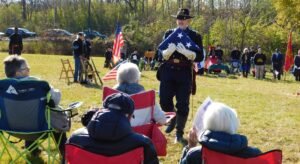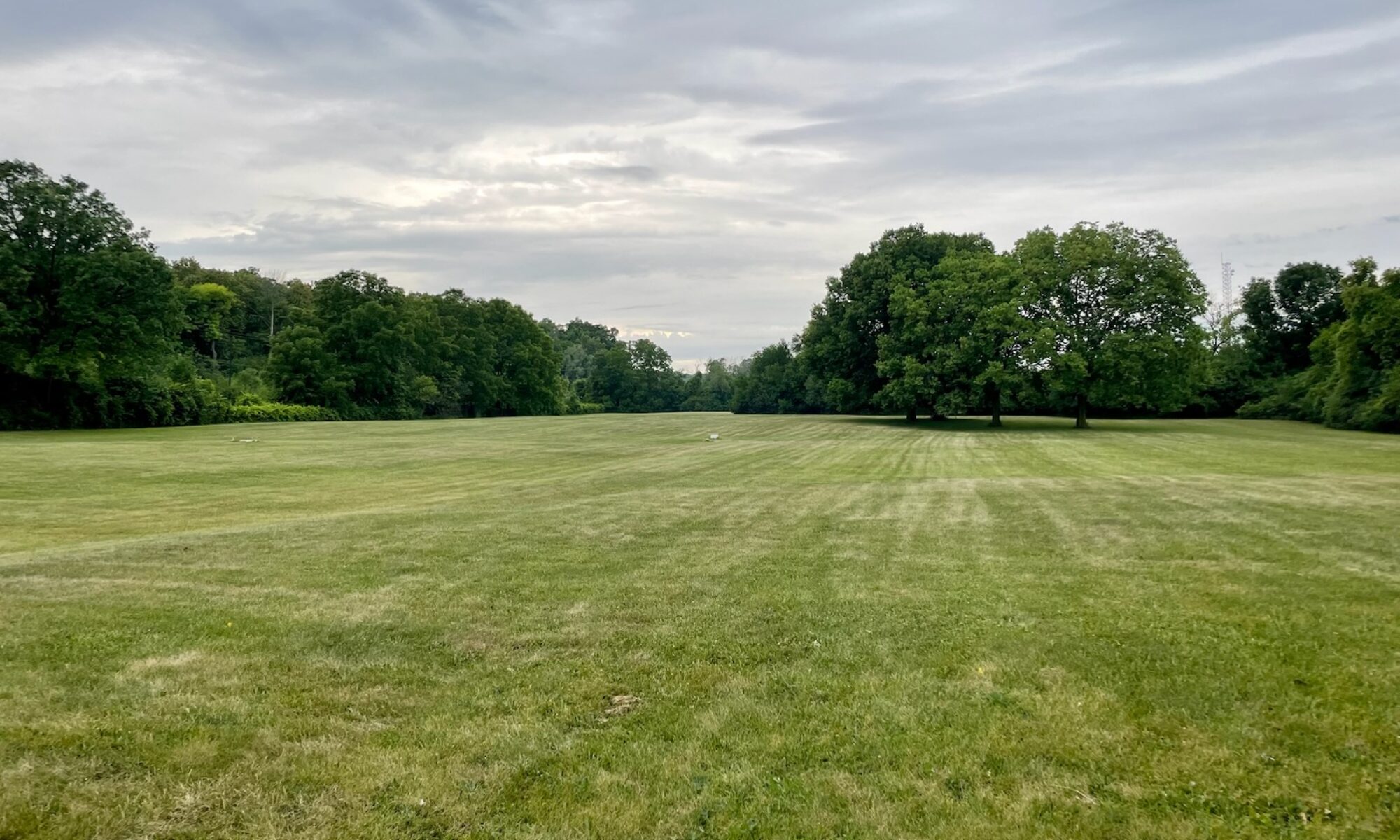
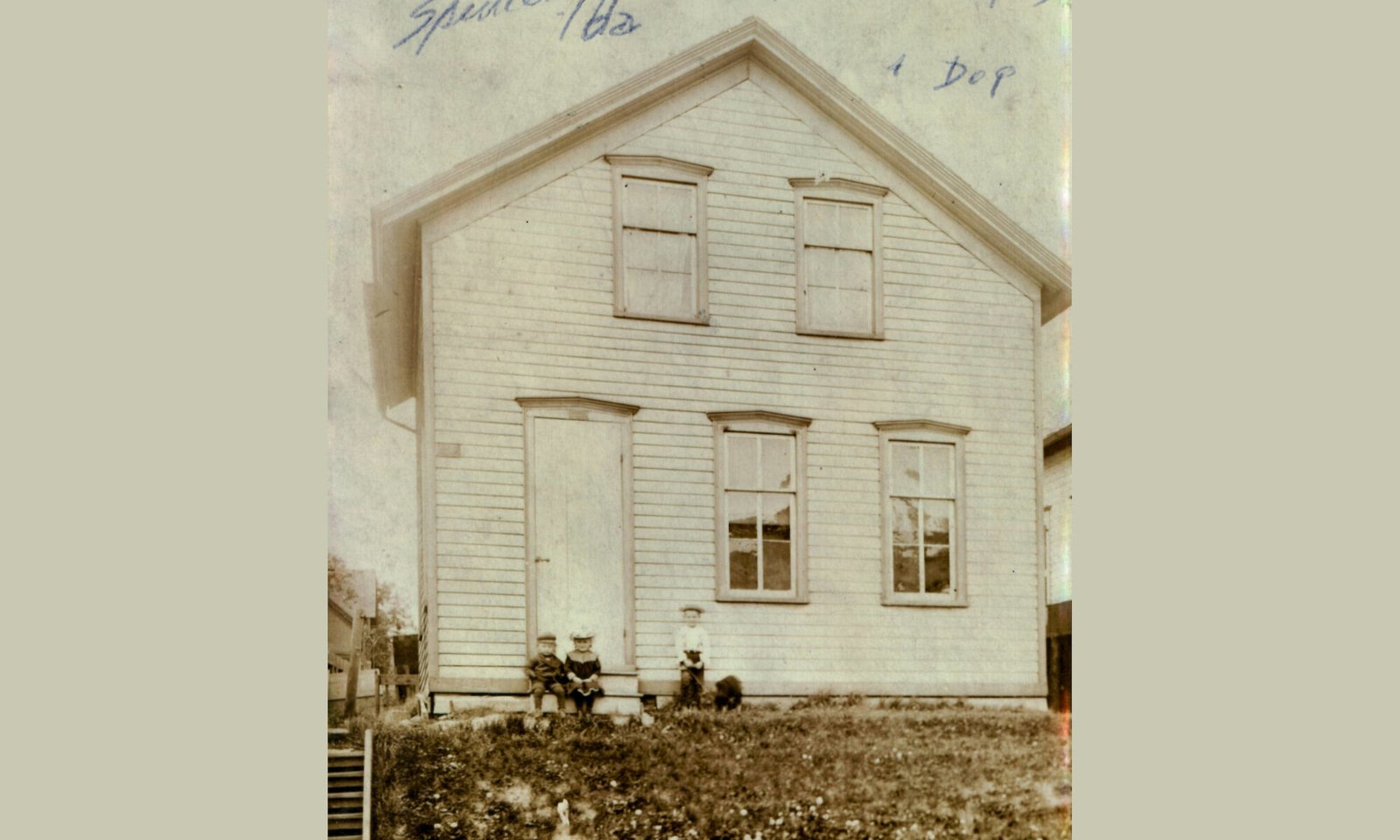
Much of the work of the Descendant Community happens behind the scenes, through meetings, consultations, letters, and significant emotional labor. At the same time, professional and academic institutions have highly visible output—publishing, archiving, and circulating knowledge in ways that shape how history and ethics are understood. Unfortunately, even when descendant and descendant community perspectives are acknowledged in principle, they are regularly overlooked in practice.
Recent Scholarly Publications and the Need for Inclusion
The recent Descendant Community blog post, Statement Regarding Recent Chapters in Applied Bioarchaeology: Making an Impact, mentions recent publications about the Milwaukee County Grounds Cemeteries that tell stories using or about our Ancestors from the researchers’ point of view. The books’ introductory sections present the chapters as “showing how [archaeologists] can encourage active involvement and engagement” and as example of “using the arts to create safe spaces to explore difficult issues”; this, however, is not borne out in practice and the chapters do not respect the Ancestors’ dignity and agency.
I delivered a statement expressing the Descendant Community’s perspective on dignity, consent, and ethical responsibility at the Society for American Archaeology annual meeting in April 2024—nearly two years before these chapters were published in January 2026. Even though three of the four authors heard this statement directly, it is not reflected in the published chapters.
The so-called “safe space” includes a chapter about a film in which the authors are shown for much of the time in a nude embrace. The chapter explains that the authors use the Ancestors to ask questions about themselves and their own identities. Another chapter tells a story in which the narrative voice is a coroner, explicitly serving as a stand-in for the authors, recounting what their research revealed about a particular Ancestor described as having “rather dramatically” committed suicide. The case is labeled “interesting” and “unusual”. None of the Ancestors of the Milwaukee County Grounds Cemeteries ever consented to be exhumed, handled, or become the context for telling researchers’ stories.
The framing of these chapters as making bioarchaeology accessible to the public illustrates a serious gap between stated intentions and actual practice. This gap underscores why it was urgent to publish the statement: to assert directly the humanity, dignity, and respect owed to the Ancestors.
Publishing in tDAR
As I say in the statement, “[Our] Ancestors are heroes and deserve unwavering respect and dignity”. Referring them to as “disenfranchised and poverty-stricken” or as “unfortunate souls”, as these chapters do, diminishes them as people who faced unimaginable trials.
To preserve and share this perspective, we chose to publish the statement in the Digital Archaeological Record (tDAR). It can be downloaded from tDAR (free-account required) or here as a PDF file (no account required):
While I originally delivered it orally, archiving it in tDAR ensures a permanent voice that is citable and accessible beyond the moment of the conference, creating a lasting record that honors the people these chapters discuss.
A Call for Ethical Research
tDAR is usually used for research reports, but it can also preserve statements written by communities. By publishing the statement, we make sure the Descendant Community’s voices can be seen, shared, and remembered. Much of our important work still happens quietly behind the scenes, guided by consent, transparency, and respect for our Ancestors. We hope readers will read, share, and reflect on this statement as a step toward research that respects and includes the communities it studies.