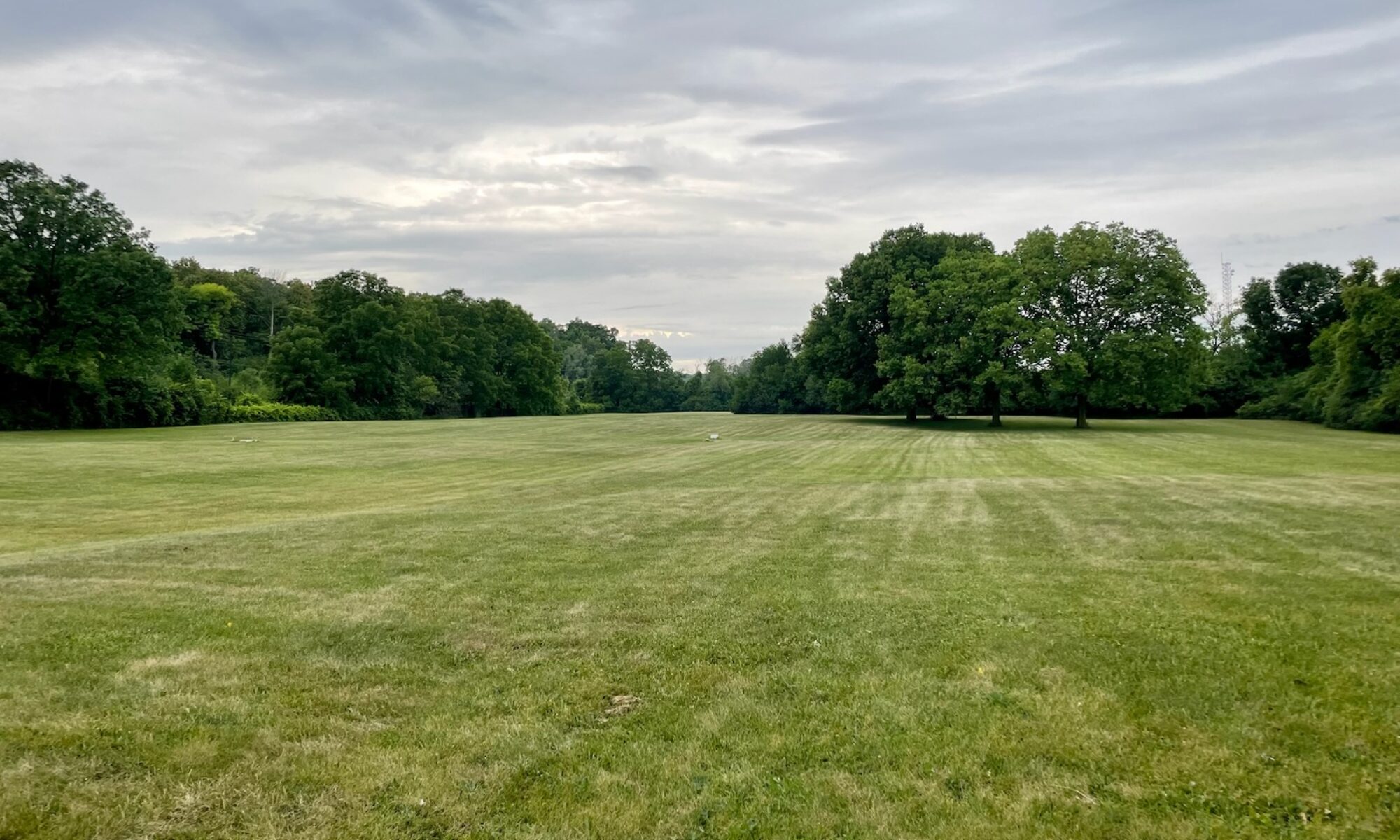
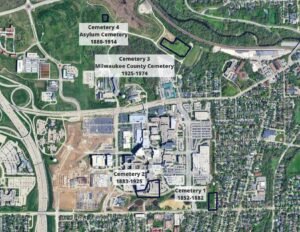
Last year, during Black History Month, we shared research about the approximately 150 African Americans buried at Milwaukee County’s Poor Farm Cemetery 2 from 1882–1925. We documented burial patterns, population data, and stark disparities showing that Black residents were laid to rest there at far higher rates than their White counterparts.
That research mattered. It established, with evidence, how systemic inequality shaped not only people’s lives, but also how they were treated in death. This year, we are building on that work with a clearer obligation: evidence demands action.
What the Records and Remains Reveal
Our analysis showed that although African Americans made up less than half of one percent of Milwaukee’s population in the late 19th and early 20th centuries, they accounted for more than 2.5 percent of burials at Cemetery 2. Approximately one in six Black residents who died during this era were buried there, compared to one in forty European Americans.
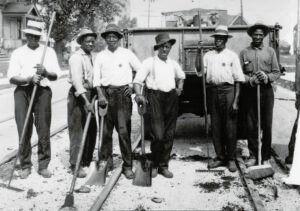
These disparities reflect barriers to healthcare, housing, employment, and access to family burial grounds. They also reflect a system that treated some lives as less worthy of protection and dignity. What happened at Cemetery 2 was not isolated. It reflects long-standing systems that denied many people control over their bodies in life and in death.
As bioarchaeologist Dr. Aja Lans has written, for centuries Black remains have been collected in the name of science and treated as data rather than as human beings. Her work challenges institutions to confront this history and to engage directly with descendant communities.
Milwaukee’s Earliest Black Families
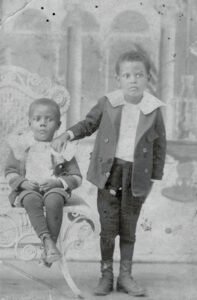
The individuals buried at Cemetery 2 include some of Milwaukee’s earliest Black families—people who built lives, raised children, formed churches, and forged community in a city of immigrants during a period of racism and exclusion. They contributed to Milwaukee’s Black community long before it was widely recognized or supported.
Their lives cannot be defined by poverty, illness, or institutionalization. They were parents, children, workers, neighbors, and community members.
Yet their burial ground was later destroyed, paved over, and disturbed. Today, 2,480 individuals remain displaced, and because burial maps were lost, the exhumed remains cannot be identified by name. What remains possible is connection—and responsibility for how that connection is pursued.
For broader context on Milwaukee’s Black history, the America’s Black Holocaust Museum and Milwaukee Public Museum’s Black History Month page offers historical resources and community perspectives.
What Descendant Research Can Do
Through our Jewish Ancestry and Veterans projects, we have seen how careful descendant research can restore lost histories and reconnect families with ancestors who were once invisible in public records.
Sometimes the outcomes are quiet: a name confirmed, a service record found, a family finally learning where a loved one was buried. These moments may seem small, but they restore dignity and trust.
These experiences guide our approach to the Black Ancestry Project.
Moving Forward
We are not researching thousands of names. We are researching Milwaukee’s earliest Black families. Each potential family connection requires patience, care, and time. Census records, church files, obituaries, and institutional records must be examined in context. Ethical work, as Dr. Lans reminds us, begins by engaging with living communities and honoring their stake in what happens to their ancestors.
Last year, we shared the facts. This year, we are acting on them. Black History Month calls us not only to remember, but to repair—through actions that restore dignity, recognition, and agency:
- Reconnecting families with their ancestors.
- Honoring the lives of early Black Milwaukeeans.
- Ensuring descendants have a voice in decisions affecting their family histories.
- Confronting medical and institutional exploitation.
If you have experience in genealogy, historical research, or African American family history—or are willing to learn—we invite you to volunteer or contact us to learn more. Each step requires thoughtful, respectful engagement with descendant communities.
Responsibility begins by recognizing every person as worthy of dignity, in life and in death.